The Unwalkable Walkable City
Project description
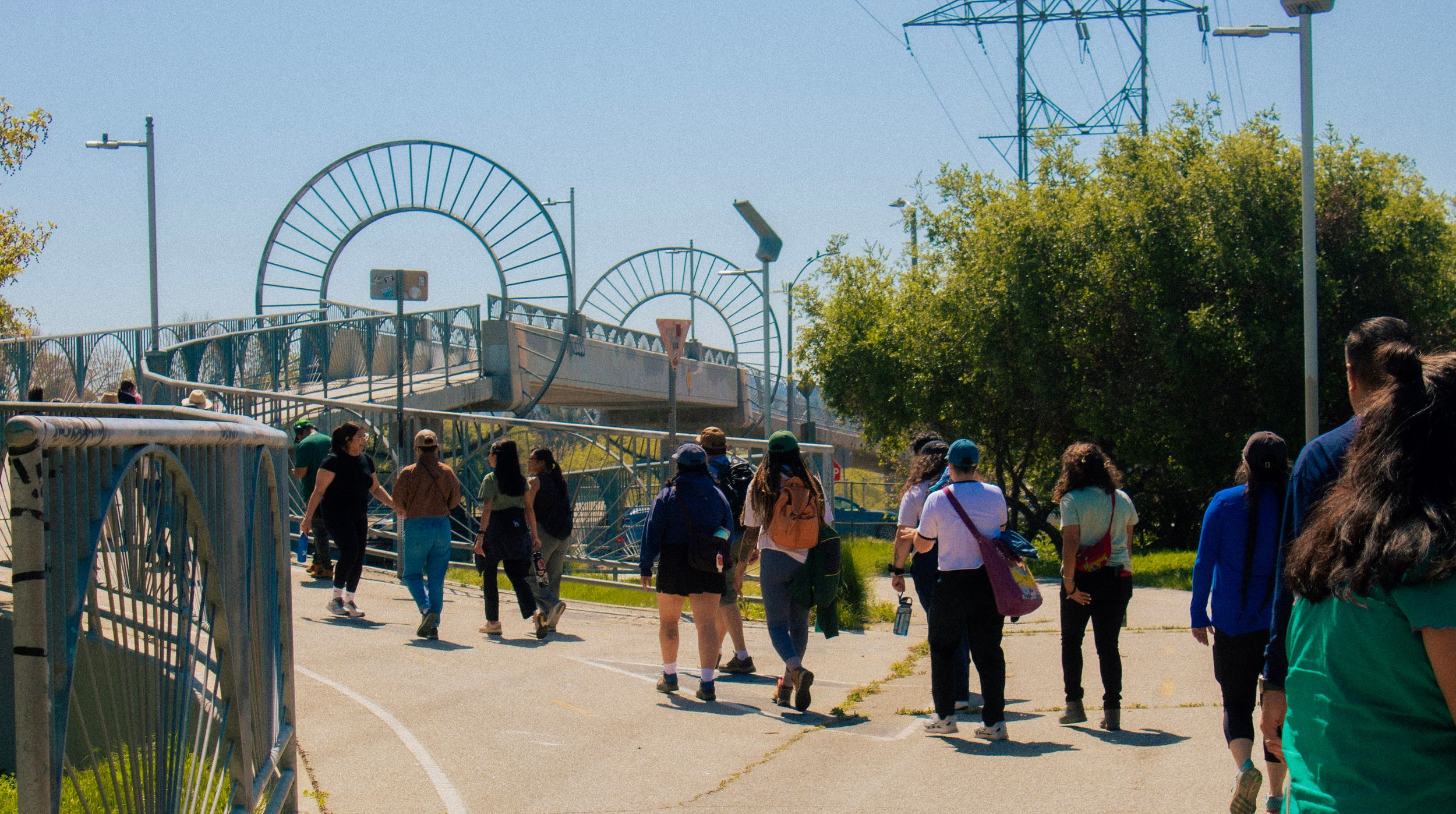
This project is a work in progress, growing into something bigger--a way to shine a light on mobility justice in Los Angeles. Known as one of the most car-dependent cities in the world, LA can be tough to navigate on foot, with few clean, safe, and well-designed neighborhoods for pedestrians. Through photography, this project highlights the people pushing for change--those working to make LA a more walkable, pedestrian-friendly city.
The goal is to celebrate the individuals dedicated to making LA’s streets safer and more accessible for everyone. Each of them was inspired by personal experiences growing up, which fueled their passion for pedestrian advocacy and their drive to give the city the walkability, movement, and safety it deserves.
Jimmy Lizama
My Interview with Jimmy
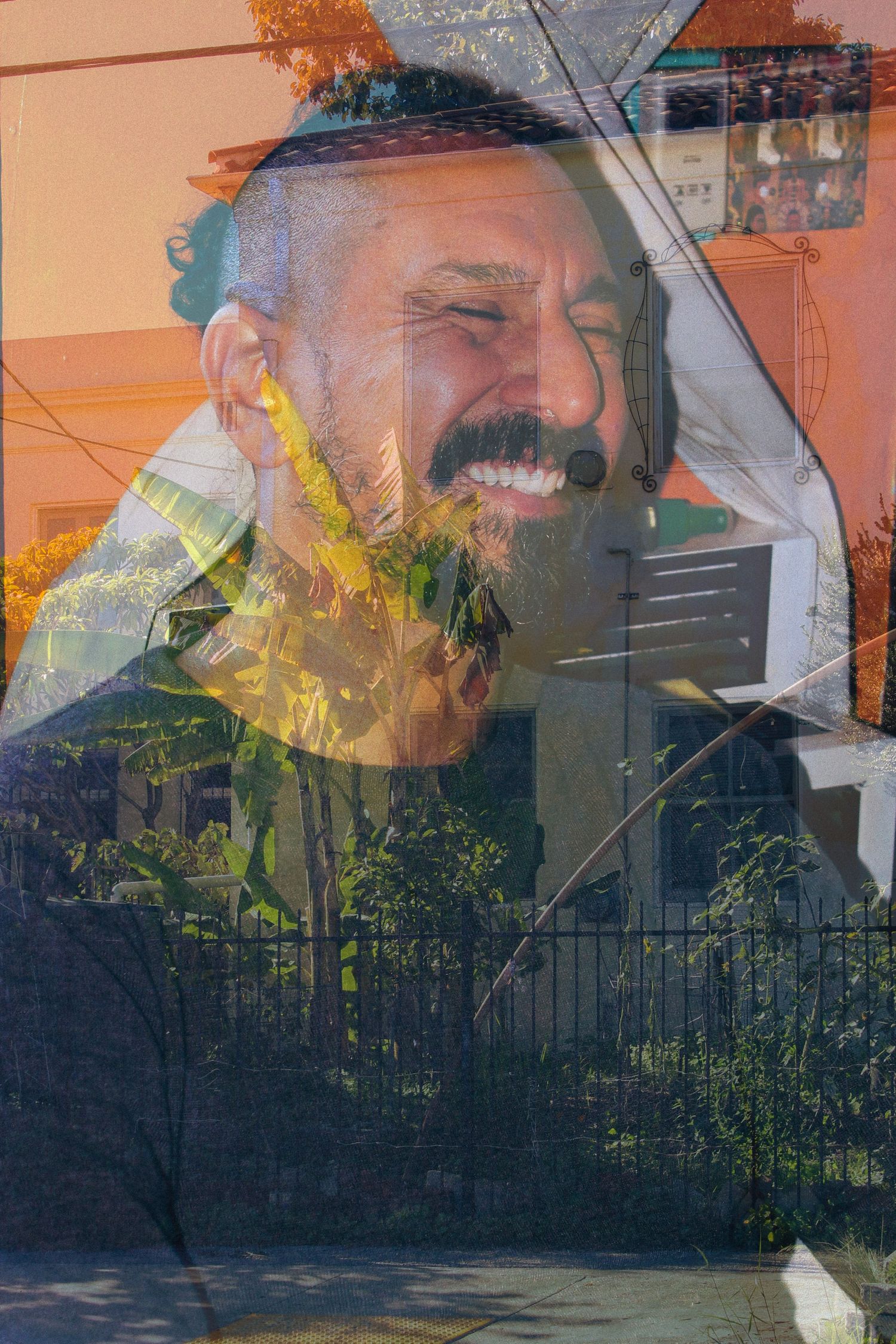
My conversation with Jimmy was deeply introspective, and I could really empathize with his love for the work he does. He shared stories about racing between neighborhoods to save bus fare for arcade games and his long-time experiences as a bike messenger. His perspective made me question my own over-reliance on cars, especially as someone who’ll soon be able to drive. Since then, I’ve been using public transit more. His point about how many residents depend on these systems really highlighted how crucial it is for them to be reliable and accessible across the city.
Eli Akira
Kalayaan Mendoza
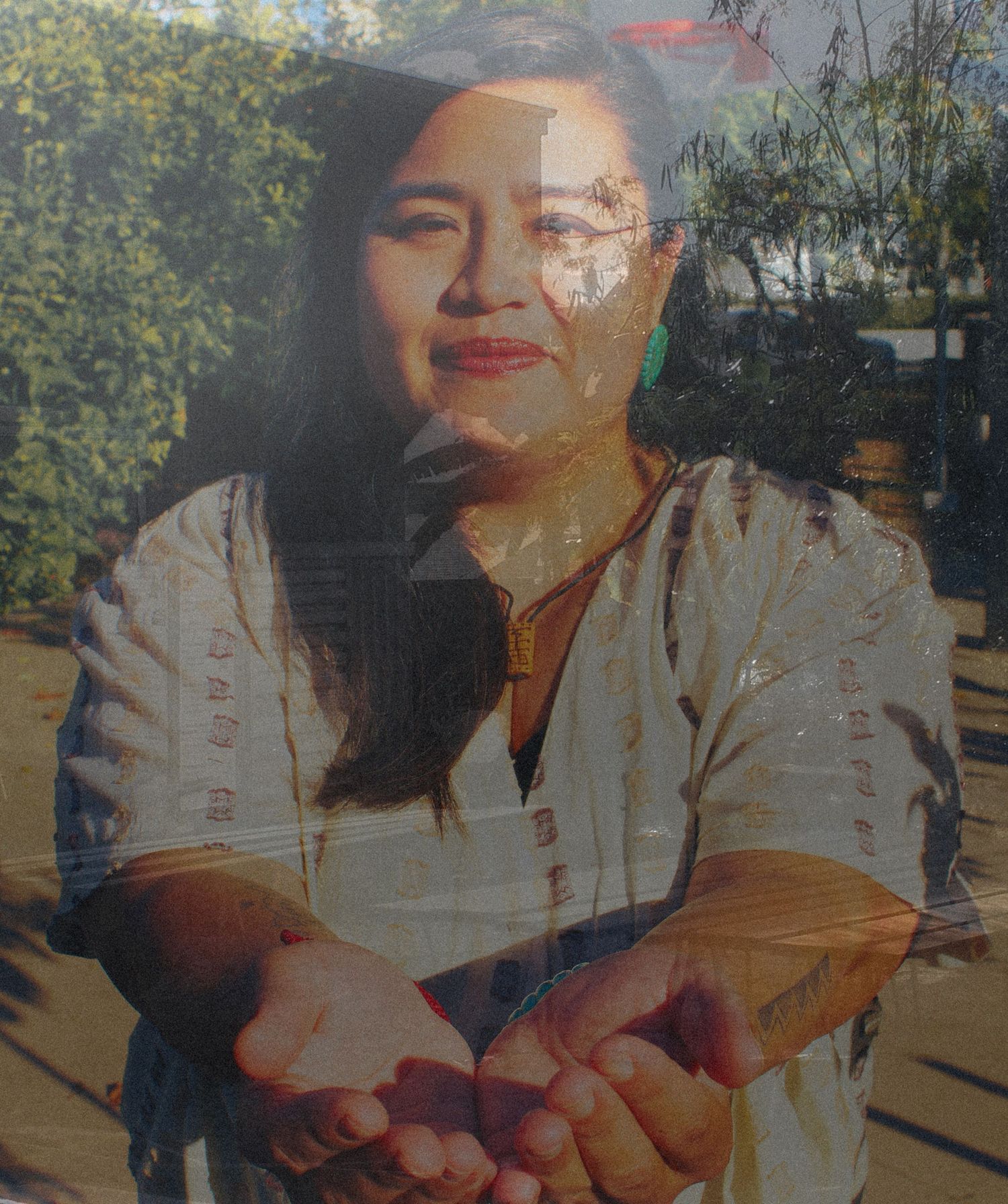
My interview with Kalayaan
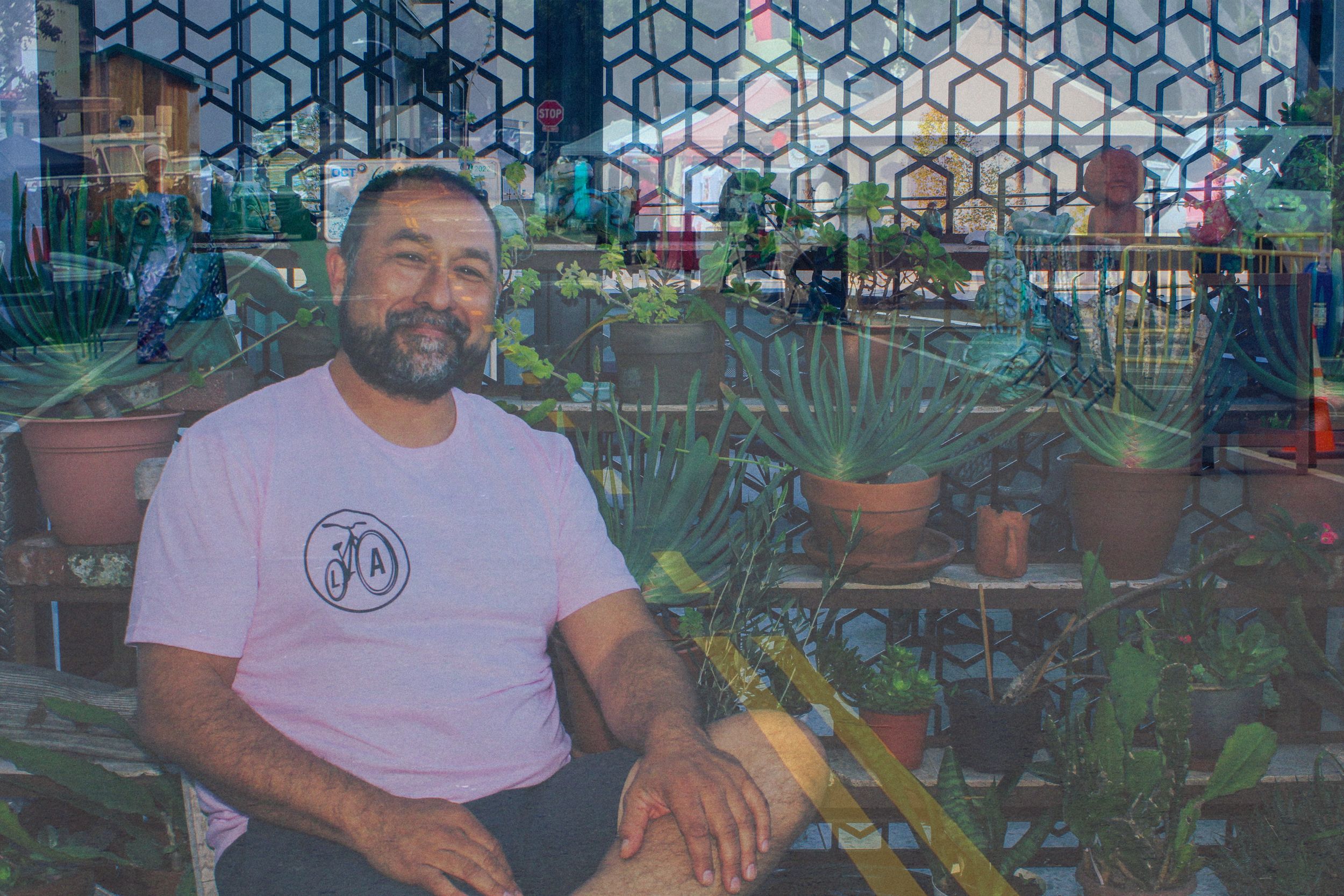
My conversation with Kalayaan was brief but full of whimsy, and depth. From her story, I gained a new perspective on pedestrian advocacy in LA, how accessibility shapes experiences in the city. She shared her experience growing up in Koreatown and Historic Filipino Town, and how the uneven distribution of green spaces and resources across LA sparked her curiosity about how these disparities shape the city and its people.
Yolanda Davis-Overstreet
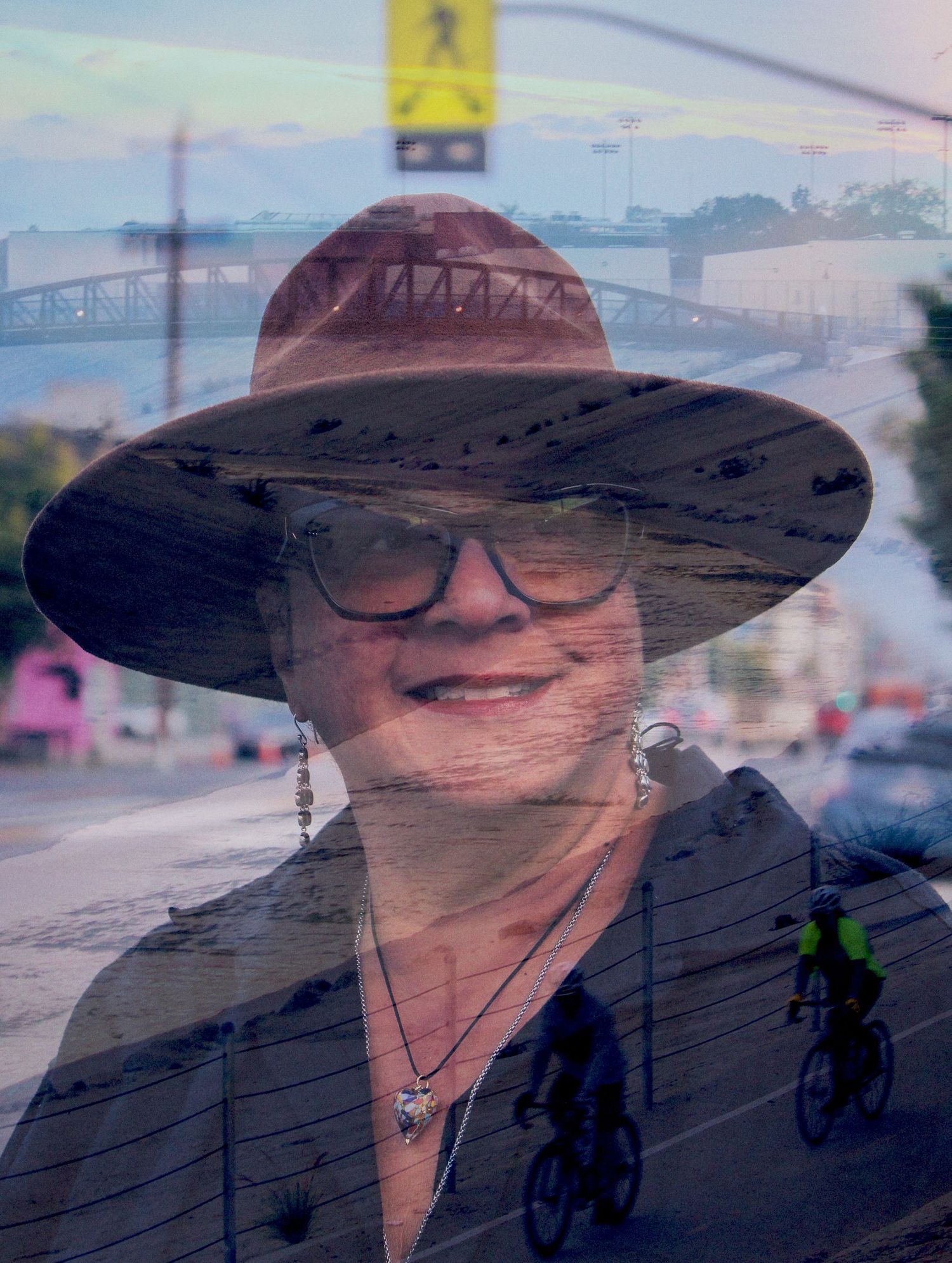
My interview with Yolanda
What stood out to me most in my conversation with Yolanda was her decades-long dedication to advocating for safer streets-a fight she’s been in since noticing early signs of disenfranchisement, like crumbling sidewalks and litter along Jefferson Boulevard. Despite the challenges, she stressed that community is what truly matters, outweighing the urban decay around it. For her, movement through space isn’t just practical-it’s a fundamental act of justice.
Through her telling of her years of experience, I’ve come to realize how harsh yet invaluable this work is. It’s incredibly relevant, and people like Yolanda, who’ve spent years trying to improve the system, are fighting for the betterment of this city.
Adonia Lugo
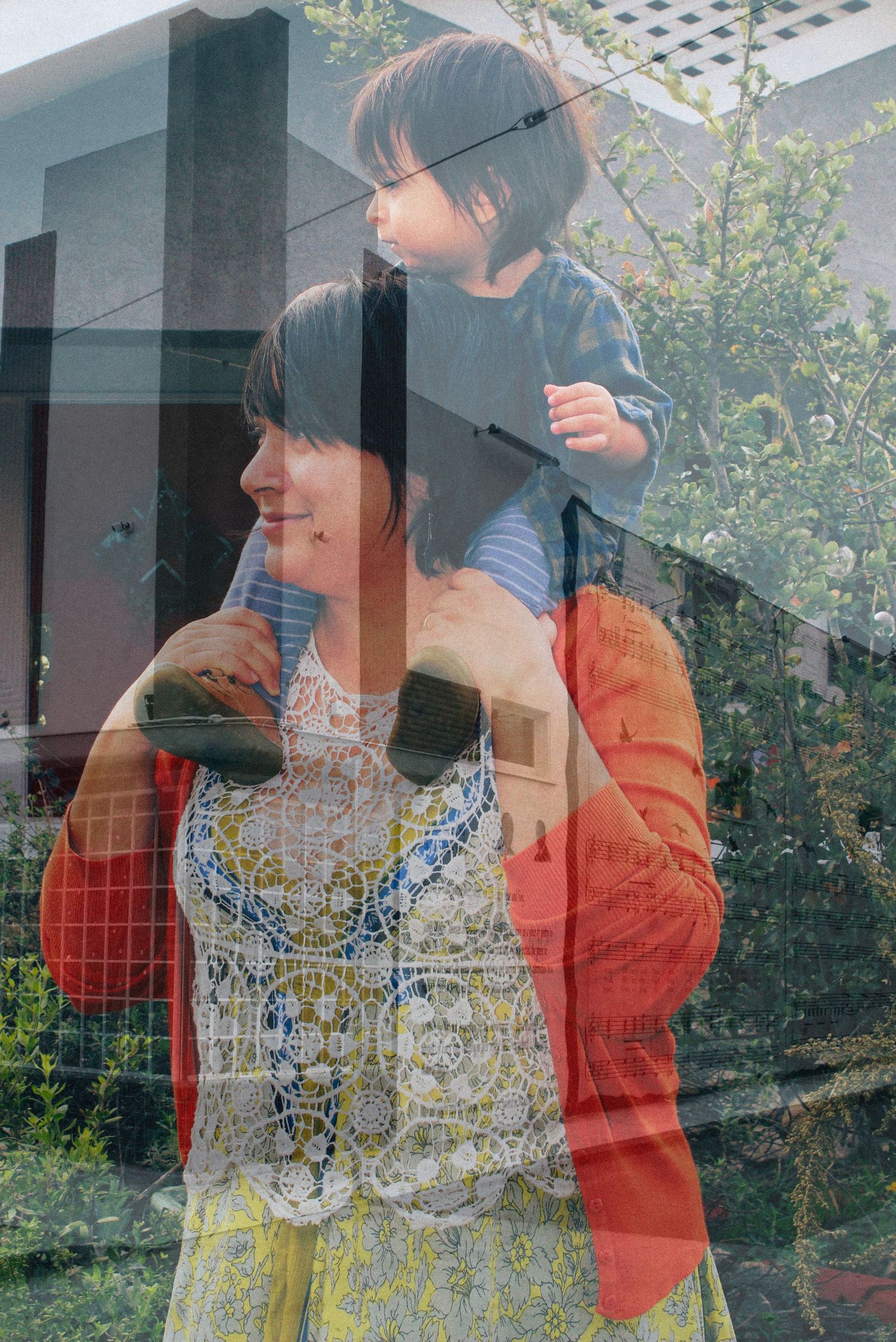
My interview with Adonia Lugo
With Adonia, I listened as she shared stories from her mom about the deep impact gentrification had on the neighborhoods she grew up in. She highlighted the stark contrast between neighborhoods "produced for consumption by tourists" and those labeled as "ghettos" simply because they were home to Mexican immigrants. Feeling like she didn’t belong in either space shaped her perspective on mobility justice-questioning what it’s like when transportation infrastructure limits your freedom of movement
Rio Oxas
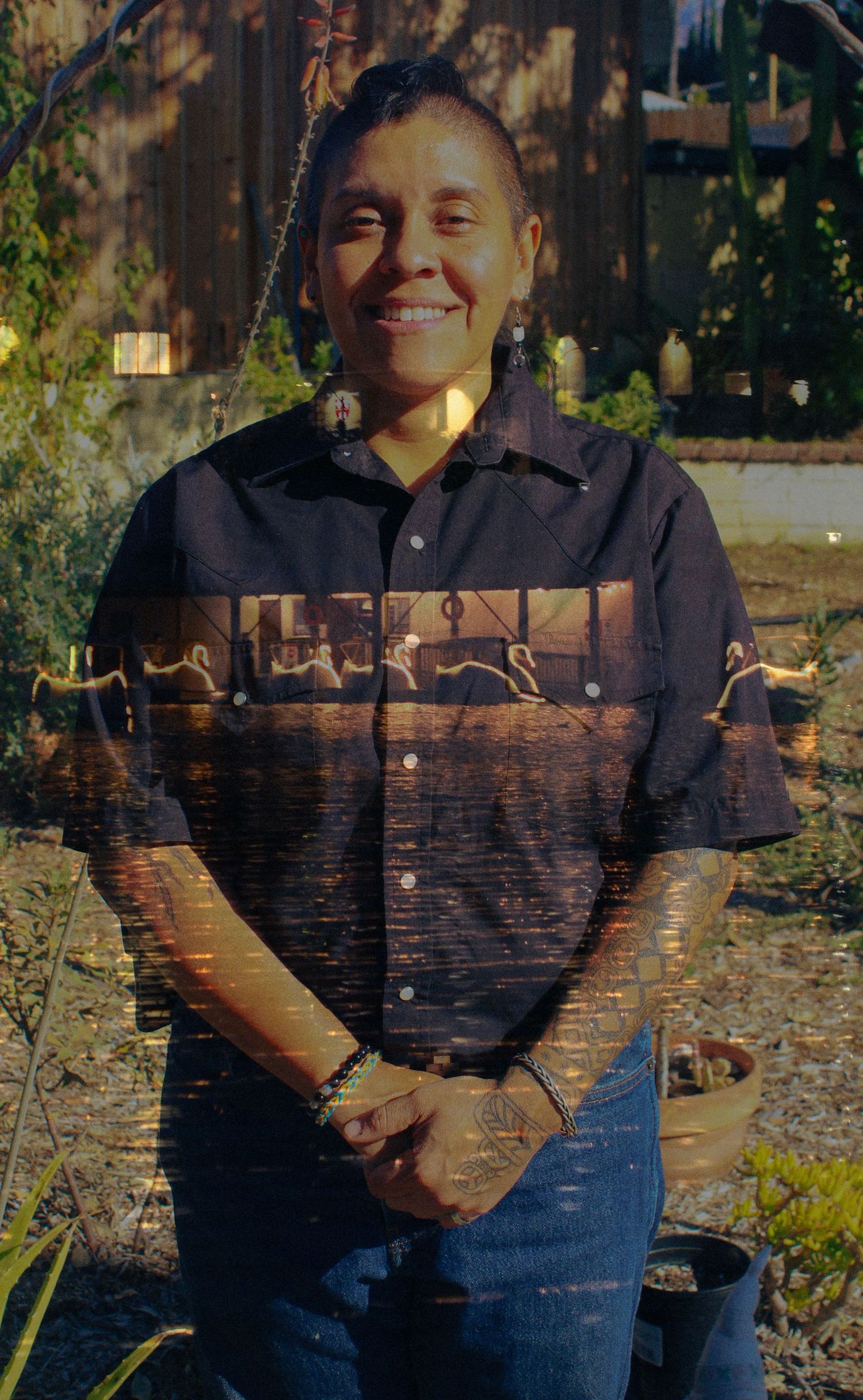
My interview with Rio
My conversation with Río centered on Echo Park and how growing up there shaped their path. They described in detail how culturally diverse LA-and especially Echo Park-has always been, exposing them to a variety of traditions and practices. Río reflected on the deep sense of community and familial bonds that define the neighborhood, emphasizing how love and connection are deeply rooted in Los Angeles in addition to using ancestral wisdom as a way to restore balance- emotionally, physically, mentally, and spiritually.